
7 Air Purifier Houseplants That Help Keep Your Home Feeling Fresh
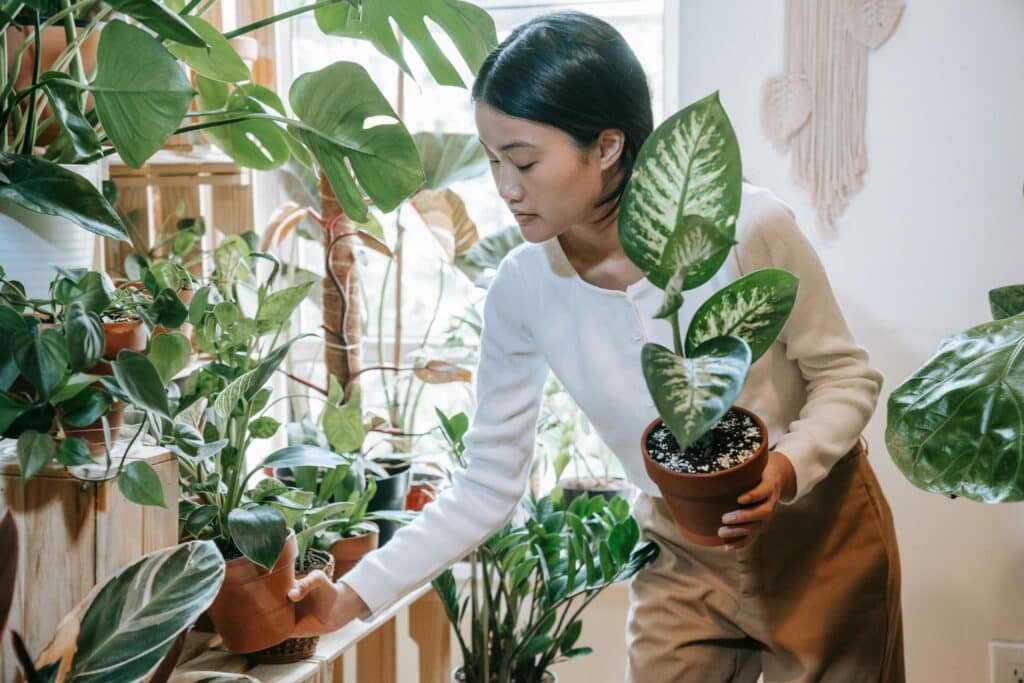
Lately, we’re seeing a beautiful shift in the world of interior design: decor is no longer just about filling a space; it’s about how a room can function for your well-being. If you haven’t heard, the ‘functional decor’ trend has turned our homes into living ecosystems, with air purifiers leading the charge.
At Purple Fig, we believe your home should work for and with you, not against you. While we provide a professional, non-toxic foundation for a clean home in Austin, the benefits of houseplants for clean air act as a natural layer of protection against pesky toxins. Let’s take a look at which plants are the best for cleaner indoor air.
Can Houseplants Really Help Clean the Air?
Can a few pots of ivy really make a difference indoors? It’s definitely a question we hear a lot. According to research from the Cornell Cooperative Extension and organizations like the American Lung Association, certain plants are remarkably efficient at removing common toxins from our homes.
You may not see it, but there’s most likely lingering formaldehyde, benzene, and trichloroethylene. These chemicals are secretly present in your synthetic carpets, furniture glues, and traditional cleaning products.
While a single fern won’t necessarily replace a high-end filtration system, a collection of clean air houseplants acts as a supplemental organic filter. They absorb gases through their leaves and roots, in their own way, digesting pollutants (CO2) and releasing fresh oxygen in return. It’s a beautiful, symbiotic relationship that fits perfectly with a sustainable lifestyle.
Best Air Purifier Houseplants for Your Home
Choosing the right greenery depends on your thumb color and the light levels in your home. Luckily, some of the best indoor houseplants for cleaning are also the most resilient, which is perfect for busy families.
1. Aloe Vera
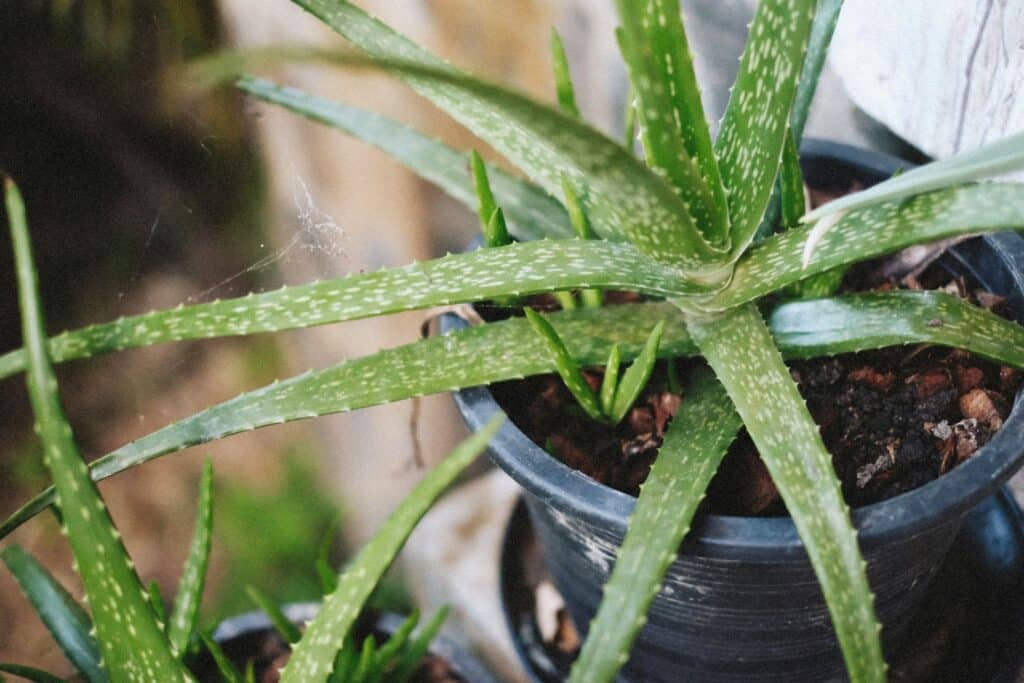
The benefits of aloe vera plant in home settings go beyond soothing a Texas sunburn. Not only can it hydrate your skin, support digestion, and act as a healing agent, but aloe is also a champion at filtering out toxins like formaldehyde and benzene.
It’s also a silent alarm for your air quality: if the leaves have brown spots, it may indicate a higher level of harmful chemicals in the air. In addition, they’re incredibly low-care houseplants–just give them plenty of sunlight and don’t overwater.
2. Snake Plant
If you’re looking for easy houseplants that are nearly impossible to kill, a snake plant is your best bet. This plant is unlike many others: it continuously produces oxygen well into the evening, making it a good houseplant for clean air in bedrooms. It also thrives in love light and can be watered every few weeks.
3. Spider Plant
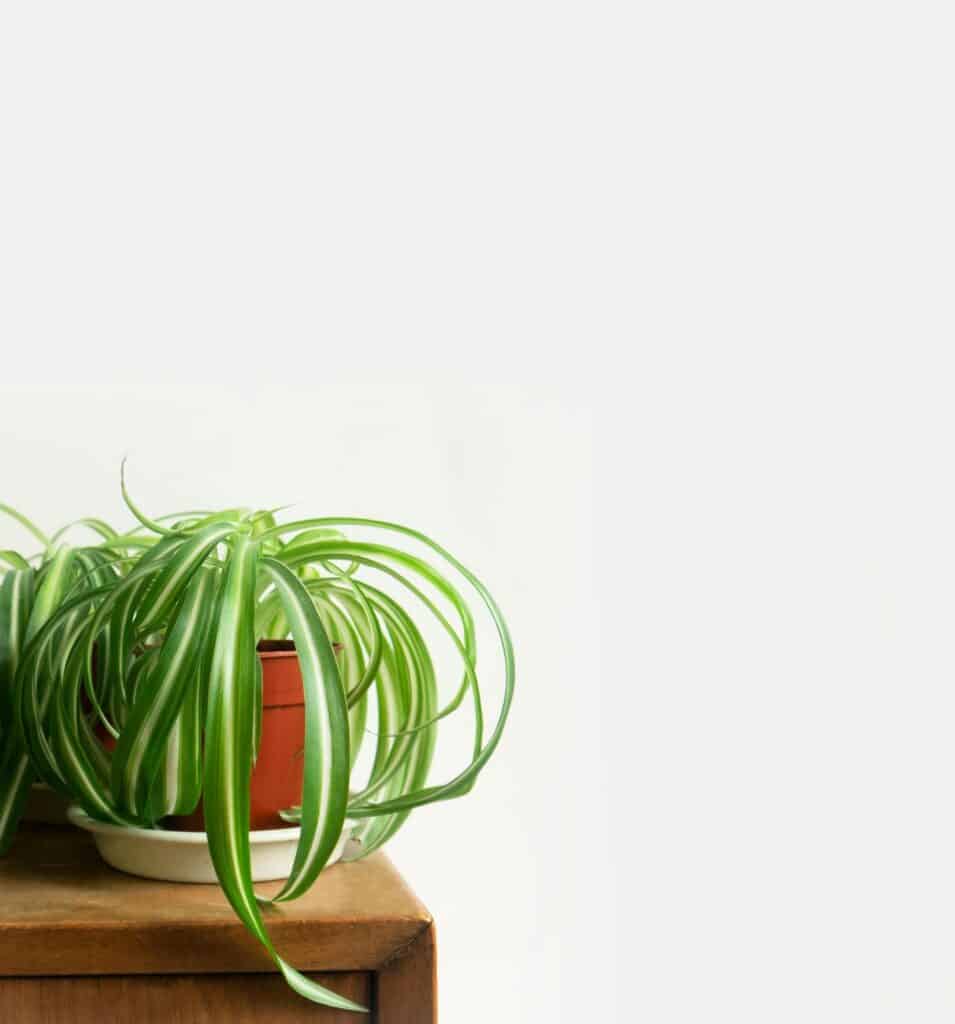
For those with curious pets, the spider plant is a safe, non-toxic choice. These are excellent air purifier houseplants for tackling carbon monoxide and xylene. They produce spiderettes that you can easily repot, spreading the fresh-air love to every room in the house.
4. Peace Lily
The elegant peace lily is one of the few plants that can help reduce mold spores in the air. We love it especially in the bathroom. Just keep in mind that these lilies prefer indirect light and will slightly droop when they’re thirsty.
5. Pothos
Pothos is the ultimate “starter plant.” It’s got cascading vines that look especially beautiful on bookshelves. It’s also gifted at clearing toxins from the air in garage-adjacent rooms or kitchens where exhausts or cleaning fumes might linger.
6. English Ivy
Studies have shown that this plant is particularly good at filtering out airborne particles, also making it a vital addition to your home. It’s a hardy, low-light houseplant that brings a touch of greenery to any corner.
7. Boston Fern
If you notice more humidity in your house, this is one of the best houseplants for removing toxins and acting as a natural humidifier. Especially in our dry Austin summers, having a few Boston ferns can help restore moisture in the air while scrubbing out indoor pollutants.
Where to Place Air Purifying Plants for Maximum Impact
To get the most out of your air purifier houseplants, placement is key. We recommend the bunching method, which involves placing 3-4 plants in a single area to create a localized fresh-air zone.
- Bedrooms: Snake plants and aloe vera keep oxygen levels high while you rest.
- Home Office: Pothos and spider plants are great for desk areas to reduce stuffiness in smaller rooms.
- Kitchen: We suggest a peace lily near your cleaning supplies to help catch any stray fumes.
- Bathrooms: A Boston fern or some English ivy can manage humidity and airborne spores.
What Plants Can’t Do: The Importance of Regular Cleaning
As much as we love our air purifier houseplants, there is a limit to their power. While houseplants are great at gas exchange, they can’t vacuum pet dander or eliminate dust that settles in the crevices of your furniture. To proactively maintain high indoor air quality, you need clean air houseplants and professional-grade maintenance.
This is where Austin home cleaning services come in handy. At Purple Fig, we specialize in removing pollutants that plants leave behind. Our Essential Clean handles high-traffic maintenance–like deep-cleaning bedrooms and sanitizing your kitchen–and we only use non-toxic, plant-safe, and eco-friendly cleaning products. It’s the perfect equilibrium for your indoor garden while ensuring your Austin home remains a pristine sanctuary.
Ready to pair your air-purifying plants with the best Austin home cleaners? Get your quote at Purple Fig today!
